· Letter Case Converter Team · Case Conversion · 3 min read
Case Style Detection and Normalization for API and CMS Fields
Practical case-conversion workflow for Case style detection and normalization for API and CMS fields, with consistency rules, exception handling, and quality checks.

If you searched for this topic, you likely want clear steps you can apply immediately, not theory-heavy notes.
A practical method to detect mixed case styles and normalize text safely across content and technical systems. The goal is to help you get a correct output on the first pass and avoid rework.
Quick Answer
For the fastest reliable result:
- start with a small sample before you run a full batch
- apply one transformation at a time so errors are easy to isolate
- validate output in the same environment where it will be published or used
This pattern is simple but removes most avoidable rework.
Step-by-Step (Online)
- Define the exact result you need and prepare a representative input sample.
- Run the main transformation with Case Style Detector.
- Clean supporting structure or edge cases with Slug Generator.
- Verify the final output with Sentence Case Converter before publishing or sharing.
- Compare input and output side by side, then document the settings used.
- Only after sample validation, process the full dataset.
Real Use Cases
- enforce consistent capitalization
- standardize headings and UI copy
- protect brand term casing
FAQ
When should I use sentence case vs title case?
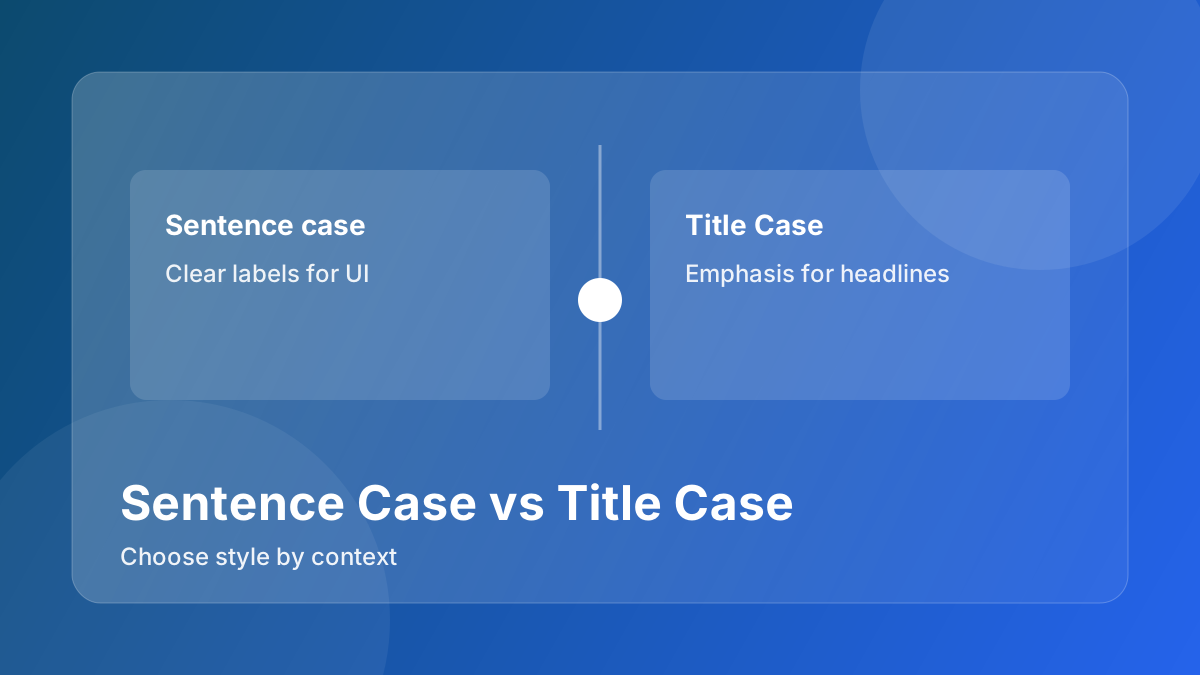
Use sentence case for UI labels and support copy; use title case for headlines and major content headings. This helps when working on Case Style Detection and Normalization for API and CMS Fields.
How do I avoid brand-name corruption?
Whitelist brand terms and acronyms before applying automatic case conversion.
Can I apply conversion to bulk content?
Yes, but validate a sample first and keep protected terms unchanged across all records.
What is the best way to handle acronyms?
Define acronym rules explicitly so tools do not convert them into standard words.
How do I keep consistency across channels?
Use one style guide and apply the same conversion logic for web, email, and product surfaces.
Should I convert everything automatically?
No. Always review names, legal terms, and UI tokens that may require manual casing.
How do I verify output quality?
Run spot checks on headings, labels, and metadata where case errors are most visible.
What is a practical team process?
Store preferred case presets and review exceptions in a shared editorial checklist.
Related Tools
Related Reading
- Case Conversion Style Guide for Consistent Brand Voice
- Developer Productivity Text Tools Stack for Daily Work
- Text Formatting Workflow for Clean, Publish-Ready Content
Explore This Topic Cluster
- Case Conversion Topic Cluster
- Pillar Guide: How to Standardize Case Conversion for a Consistent Brand Voice
- Case Conversion Articles
- Case Conversion Tools
Detailed Notes
Case inconsistency is a common source of low-visibility defects. You see it in API labels, CMS fields, export headers, and shared docs.
Individually these errors look minor. At scale they create integration drift, broken filters, and hard-to-debug mismatches.
Where Mixed Case Usually Appears
- migration spreadsheets from multiple owners
- copied field names between code and content systems
- old docs merged into current templates
- bulk edits without style gates
A Low-Friction Case Workflow
1. Detect before converting
Run Case Style Detector on raw input. Detection gives you a map of what you are dealing with.
2. Define a target convention
For example:
- snake_case for technical keys
- sentence case for UI helper text
- title case for headings
3. Convert only after policy is explicit
Use focused converters for each destination:
4. Validate final consistency
Use Unique Value Extractor to spot unexpected style remnants.
Normalization Checklist
- Source lines are cleaned before conversion.
- Target style is documented by field type.
- Automated conversion is reviewed for acronyms.
- Final output is tested in target platform.
Common Mistake to Avoid
Do not run one conversion rule on all fields. Identifiers and visible copy have different style requirements.
A safer approach is to classify fields first, then apply appropriate case rules.